How to Realign Sagging Gutters Before Damage Worsens in Lake Oswego
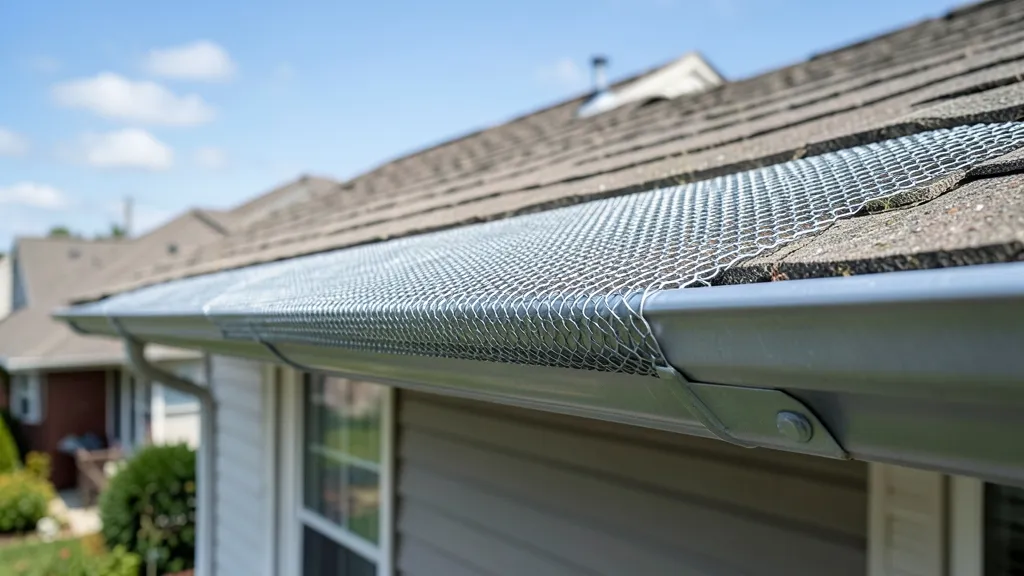
Sagging gutters don’t just look bad—they fail to direct water away from your home, risking foundation erosion, basement flooding, and fascia rot. In our wet climate, even a slight dip can turn a minor issue into a major repair. Realigning them early saves time, money, and headaches down the road.
Why Gutters Sag in the First Place
The most common culprit is improper pitch—gutters need a slight downward slope (about 1/4 inch per 10 feet) toward downspouts to keep water flowing. Without it, water pools, adding weight that pulls gutters out of alignment.
Heavy debris, like the thick layers of maple leaves and pine needles common here, can also overwhelm hangers. Over time, the weight bends or detaches them from the fascia.
Ice dams in winter are another local challenge. When meltwater refreezes at the eaves, it can pull gutters downward, especially if hangers are spaced too far apart or are old and brittle.
Signs Your Gutters Need Realignment
Standing water in sections of the gutter is the clearest red flag. If you see puddles that don’t drain within minutes after rain, your slope is off.
Gutters pulling away from the roof or fascia boards are a late-stage warning. By this point, the fascia may already be water-damaged or rotting.
Look for gaps between gutter sections or at the seams. Misalignment often causes leaks at miters and end caps, leaving streaks on your siding or staining your home’s exterior.
If the fascia boards behind your gutters are soft or discolored, stop DIY fixes and call a pro. Weak fascia can’t support realigned gutters, and the repair may require resealing or even replacement.
Tools and Materials You’ll Need
A sturdy ladder (extension ladders work best for two-story homes), work gloves, and safety glasses are non-negotiable. Never lean a ladder against the gutters themselves—they’re not designed to bear that weight.
You’ll also need a level (a 4-foot model works well), a tape measure, and a chalk line to check and mark the correct slope. For adjustments, have a drill, screws, and replacement hangers on hand.
If you’re dealing with severe sagging, consider gutter resealing tape or butyl sealant for leaks at the joints. For long-term prevention, gutter guards can reduce debris buildup that leads to future misalignment.
Essential Gutter Realignment Tools
- Extension ladder with stabilizer
- Work gloves and safety glasses
- 4-foot level and tape measure
- Chalk line and pencil
- Drill and exterior-grade screws
- Replacement hangers (match your gutter material)
- Gutter sealant (for leaks at seams)
Step-by-Step: Measuring the Correct Slope
Start at the downspout end. Place the level on the gutter bottom near the downspout. The bubble should sit slightly off-center toward the downspout—this confirms the existing slope.
If the bubble is centered, the gutter is flat and needs adjustment. Use the chalk line to mark a new slope: drop 1/4 inch for every 10 feet of gutter run away from the downspout.
For gutters longer than 40 feet, split the run into sections, each sloping toward its own downspout. This prevents excessive weight at the center, which can cause new sagging over time.
Hanger Types: Which Work Best for Realignment?
Hidden hangers (also called inside mount hangers) are the most secure for realignment. They clip onto the gutter’s lip and screw directly into the fascia, providing strong support without visible brackets.
Strap hangers are a budget-friendly option but offer less stability for sagging gutters. They’re best for minor adjustments or as temporary fixes until a pro can install hidden hangers.
For copper or steel gutters, use hangers made from the same material to prevent galvanic corrosion. Aluminum gutters pair well with aluminum or stainless steel hangers.
| Hanger Type | Support Strength | Visibility | Best For |
|---|---|---|---|
| Hidden (Inside Mount) | High | Concealed | Aluminum, copper, steel gutters; permanent fixes |
| Strap (Outside Mount) | Moderate | Visible | Vinyl gutters; temporary adjustments |
| Spike & Ferrule | Low | Visible | Older homes; not recommended for realignment |
| T-Bracket | Moderate-High | Visible | K-style gutters; heavy-duty support |
When to Call a Pro Instead of DIY
If your gutters are severely detached or the fascia is rotted, a professional can assess whether you need a full gutter resealing, resloping, or even replacement. DIY fixes won’t hold on compromised structures.
Homes with steep roofs or multiple stories pose serious safety risks. Our team uses specialized equipment and training to work at height without damaging your roof or siding.
If you’ve realigned the gutters but still see leaks or sagging, the issue might be deeper—like improperly pitched downspouts or clogged underground drains. A gutter inspection can uncover hidden problems.
After realignment, clean your gutters at least twice a year—more if you’re near tall trees in neighborhoods like Dunthorpe or Rivergrove. Consider gutter guard installation to reduce debris buildup and weight.
Long-Term Maintenance to Keep Gutters Aligned
Regular cleaning prevents the debris weight that pulls gutters out of alignment. In Lake Oswego’s rainy seasons, check for clogs after heavy storms, especially if you have overhanging trees.
Inspect hangers annually for rust, bending, or loose screws. Tighten or replace them as needed—this is often all it takes to correct minor sagging before it worsens.
If you notice recurring issues, consider a gutter resealing service to reinforce seams and joints. For older systems, resloping the entire run may be more cost-effective than repeated adjustments.
How to Realign Sagging Gutters in 6 Steps
Follow these steps to restore proper drainage and prevent water damage to your home.
- 1Clear Debris and Inspect
Remove all leaves, twigs, and sediment from the gutters and downspouts. Check for leaks, rust, or damaged sections that may need repair before realignment.
- 2Check and Mark the Slope
Use a level and chalk line to mark the correct slope (1/4 inch drop per 10 feet) from the highest point to the downspout. Snap the line to create a visual guide.
- 3Loosen Existing Hangers
If hangers are screwed into the fascia, loosen them slightly. For spike-and-ferrule systems, you may need to remove and replace them entirely with hidden hangers.
- 4Adjust Gutter Position
Gently lift or lower the gutter sections to match the chalk line. Work in small sections, ensuring each piece aligns with the slope before securing it.
- 5Reattach or Replace Hangers
Screw hidden hangers into the fascia at the marked slope, spacing them no more than 24 inches apart. For strap hangers, ensure they’re tight and straight.
- 6Test and Seal
Run a hose to test drainage. If water flows smoothly to the downspout, you’re done. If not, recheck the slope. Seal any leaks at seams with gutter sealant.
Frequently Asked Questions
Can sagging gutters cause foundation problems in Lake Oswego homes?
Absolutely. When gutters sag, water overflows near the foundation, eroding soil and creating cracks. Over time, this can lead to costly foundation repairs, especially in our clay-heavy soil.
How do I know if my gutters need resloping instead of just realignment?
If the entire gutter run is flat or improperly pitched, resloping may be necessary. Realignment works for localized sags, but widespread issues often require a full adjustment of the system’s pitch.
Are gutter guards worth it to prevent future sagging?
Yes, especially in areas like West Linn or Milwaukie with heavy tree cover. Gutter guards reduce debris buildup, which is a leading cause of sagging. They’re a smart investment for long-term maintenance.
What’s the difference between gutter realignment and gutter repair?
Realignment fixes the slope and position of gutters to ensure proper drainage. Repair addresses specific issues like leaks, holes, or detached sections. Often, both are needed to restore full functionality.
How often should I check my gutters for sagging?
Inspect them at least twice a year—once in spring and once in fall. After major storms or if you notice overflow during rain, do a quick visual check for dips or separation from the fascia.
Do I need to realign gutters on a commercial property differently?
Commercial gutters often handle larger volumes of water and may have different hanger systems. The principles are the same, but the scale and materials (like box gutters) may require professional tools and expertise.