How Clean Gutters Protect Lake Oswego’s Environment and Your Home
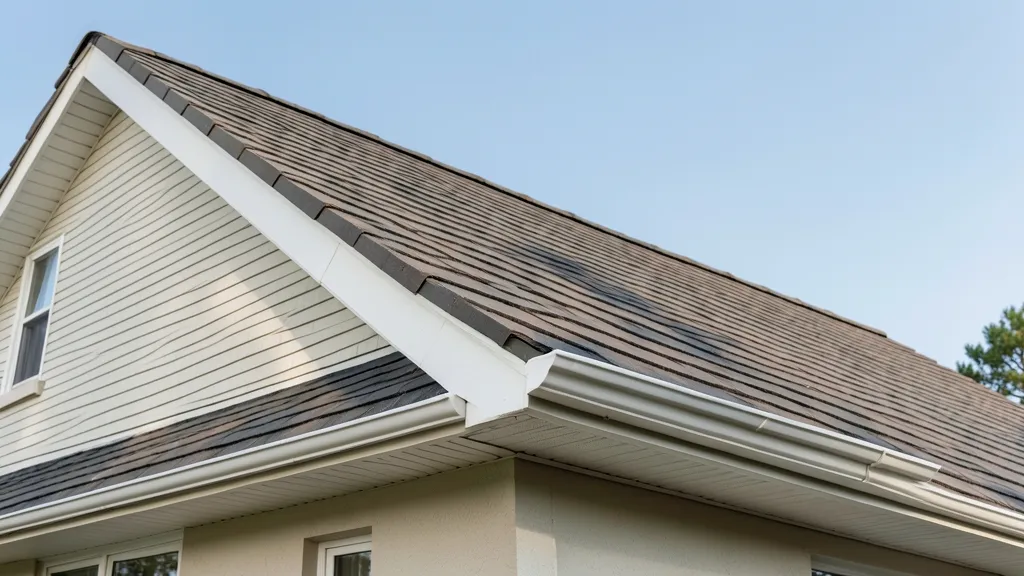
Clogged gutters don’t just risk roof or foundation damage—they disrupt Lake Oswego’s delicate ecosystem. When gutters fail, runoff carries debris into local waterways, harming wildlife and water quality. We’ll show how routine cleaning protects both your property and the environment.
Why Lake Oswego’s Rainy Climate Demands Proactive Gutter Care
Our region’s heavy winter rains and autumn leaf drop create a perfect storm for clogged gutters. Without regular cleaning, standing water in gutters overflows, sending pollutants and sediment into storm drains that feed the Willamette River.
Lake Oswego’s older neighborhoods, like Dunthorpe and Rivergrove, often have mature trees that shed needles and leaves year-round. These organic materials decompose in gutters, forming a dense sludge that blocks water flow and accelerates rust in metal systems.
Overflow from clogged gutters can erode landscaping and destabilize soil around your foundation. In severe cases, it contributes to basement flooding.
How Clogged Gutters Harm Local Waterways
When gutters overflow, untreated water carries pollutants—like roof shingle granules, bird droppings, and chemical residues—into stormwater systems. These contaminants can raise nutrient levels in local creeks, fueling harmful algae blooms.
In Lake Oswego, stormwater often flows directly into the Willamette River. Clean gutters reduce the volume of polluted runoff, helping preserve the river’s health for fish, wildlife, and recreational use.
Preventing Soil Erosion Around Your Property
Uncontrolled runoff from clogged gutters washes away topsoil, stripping your yard of nutrients and creating unsightly gullies. This erosion also undermines walkways, driveways, and even your home’s foundation over time.
Properly functioning gutters channel water to downspouts, which direct it safely away from your home. In hilly areas like West Linn or parts of Lake Oswego, this control is critical to preventing landslides or slope instability.
| Material | Effect on Gutters | Environmental Risk |
|---|---|---|
| Oak leaves | Form dense mats, trap moisture | Decompose into sludge, block water flow |
| Pine needles | Intertwine, resist flushing | Create fire hazards, clog downspouts |
| Maple samaras (helicopters) | Accumulate quickly, compact | Carry seeds, promote weed growth in runoff |
| Roof grit/shingle granules | Abrade gutter linings | Contain asphalt/chemicals, pollute waterways |
Reducing Mosquito Breeding Grounds
Standing water in clogged gutters is a prime breeding site for mosquitoes. In Lake Oswego’s mild, damp climate, these pests thrive, increasing the risk of bites and potential disease transmission.
Regular gutter cleaning eliminates stagnant water, disrupting the mosquito life cycle. Pair this with gutter guard installation for long-term protection, especially in wooded areas like Milwaukie or Rivergrove.
Gutter guards reduce debris buildup, cutting cleaning frequency while still allowing water to flow. They’re especially effective in neighborhoods with heavy tree cover.
Protecting Your Home’s Foundation and Landscape
Overflow from clogged gutters saturates the soil around your foundation, leading to cracks, settling, or even structural damage. In Lake Oswego’s clay-heavy soil, this can be particularly destructive.
Clean gutters also preserve your landscaping. Without proper drainage, water pools in flower beds or washes away mulch, requiring costly repairs and replacements.
The Role of Downspouts in Stormwater Management
Downspouts are the unsung heroes of your gutter system. They direct water away from your home, but only if gutters are clean and downspouts are free of clogs or damage.
In Lake Oswego, downspout extensions should discharge water at least 5–10 feet from your foundation. Regular downspout cleaning and repair ensure they function correctly during heavy rains.
Downspout Maintenance Checklist
- Inspect for rust, dents, or detachment
- Clear debris from top and bottom openings
- Ensure extensions direct water away from the home
- Check for leaks or loose seams
- Verify proper slope for drainage
Long-Term Solutions: Gutter Guards and Regular Inspections
While cleaning is essential, gutter guards can significantly reduce maintenance needs. They’re ideal for homes in West Linn or Dunthorpe, where tree cover is dense and seasonal debris is heavy.
Pair gutter guards with annual inspections. Our team checks for sagging, leaks, or improper pitch—issues that even guards can’t prevent. Early repairs avoid costly damage and keep your system eco-friendly.
When to Call in the Pros for Gutter Cleaning
DIY gutter cleaning can be risky, especially for multi-story homes or steep roofs. Professionals have the tools and safety training to work efficiently and thoroughly.
If you notice overflow during rain, sagging gutters, or visible debris, it’s time for a cleaning. In Lake Oswego, late fall and early spring are critical times to schedule service before the rainy season peaks.
After heavy storms, inspect gutters for dents, misalignment, or separated seams. Storm damage gutter cleanup prevents long-term issues like rust or water intrusion.
How to Check Your Gutters for Environmental and Structural Risks
A quick inspection can reveal whether your gutters are helping or harming your home and the environment.
- 1Visually Inspect Gutters and Downspouts
From the ground, look for sagging, rust, or visible debris. Use binoculars to check for clogs or overflow stains on the fascia.
- 2Test Water Flow
During rain, watch how water moves through gutters. If it pools or overflows, there’s likely a blockage or pitch issue.
- 3Check Downspout Discharge
Ensure water exits downspouts at least 5 feet from your foundation. If it’s pooling nearby, extensions may be needed or clogged.
- 4Look for Erosion or Staining
Search for gullies or washed-away mulch near your home’s base. Stains on siding or foundation walls indicate chronic overflow.
- 5Inspect for Pest Activity
Check for mosquito larvae or nests in gutters. Standing water or debris attracts pests that can spread to your yard or home.
Frequently Asked Questions
How often should gutters be cleaned in Lake Oswego?
We recommend cleaning at least twice a year—once in late fall after leaf drop and again in early spring. Homes with heavy tree cover in areas like Dunthorpe or West Linn may need quarterly service to prevent clogs.
Can clogged gutters really affect the Willamette River?
Yes. Overflow from clogged gutters carries pollutants like roofing materials, organic debris, and chemicals into storm drains, which often flow untreated into the Willamette. Clean gutters reduce this runoff.
What are the signs my gutters are damaging my foundation?
Look for cracks in your foundation, water stains on basement walls, or soil erosion near your home’s base. These are red flags that your gutters aren’t directing water away properly.
Are gutter guards worth it in Lake Oswego’s climate?
Absolutely. Gutter guards reduce debris buildup, which is especially valuable in our rainy, tree-heavy environment. They cut cleaning frequency and help prevent clogs that lead to overflow and environmental harm.
Do I need to clean downspouts separately from gutters?
Yes. Downspouts can clog independently, especially at the elbow or exit. A thorough cleaning includes flushing downspouts to ensure water flows freely to the discharge point.
When should you install gutter guards in Lake Oswego?
Late summer or early fall is ideal. This timing allows you to clear existing debris before the heavy autumn leaf drop and winter rains, ensuring guards start with a clean slate.